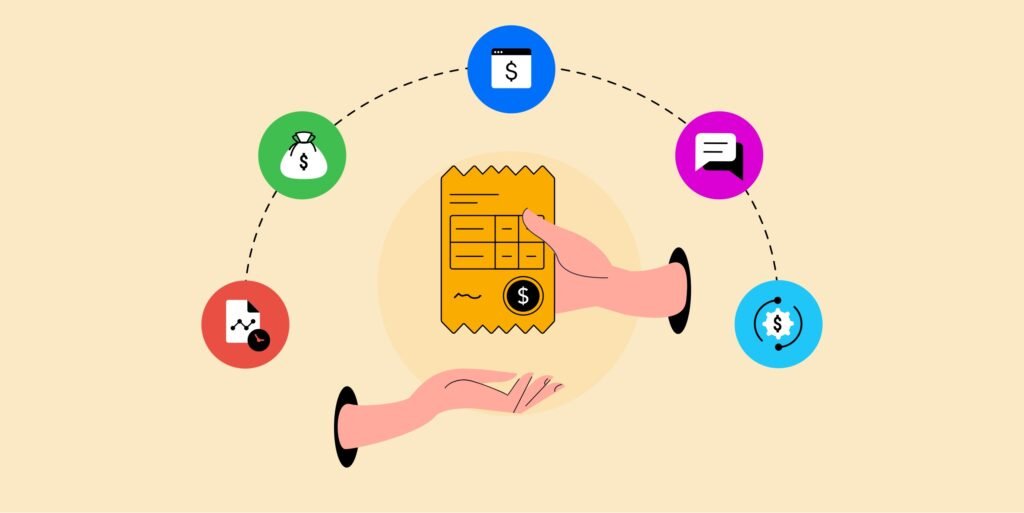
A solid partnership between a manufacturer and a retailer shouldn’t feel like a constant battle over invoices. Often, the friction comes down to how money is handled behind the scenes. Efficient trade spend management ensures that both parties move away from arguments and toward a model of clear, data-backed cooperation.
This approach focuses on making planning, deductions, and shelf negotiations transparent. When you have visibility into ROI and shared growth, the conversation changes from “who owes what” to “how do we grow together.” Finding what is trade spend management reveals is more than just accounting; it is a strategy for long-term trust.
Why Manufacturer-Retailer Relationships Often Break Down Around Trade Spend
Most tensions in the retail supply chain do not start because people dislike each other. They start because the data is a mess. When a manufacturer runs a promotion, but the retailer gets a different set of numbers, conflict is inevitable. Unclear terms for discounts or delayed performance reports lead to disputed deductions that can sit on books for months. Industry data suggest that retailers and manufacturers spend nearly 15% of their administrative time resolving these financial discrepancies.
A trade spend manager often finds themselves caught in the middle of these disputes, trying to reconcile what was actually executed with what was billed. Poor visibility into whether a display actually went up or if the price point was met creates a cycle of blame. Without a single source of truth, even the best partnerships can erode under the weight of financial uncertainty and “he-said, she-said” arguments.
What Trade Spend Management Really Means in Retail Partnerships
At its core, this discipline is about creating a structured process for every dollar that leaves a manufacturer’s pocket to support a retailer. It involves planning, tracking, and eventually settling investments like rebates, slotting fees, and co-marketing efforts. Think of it as a shared commercial language. It allows the sales team to speak the same language as the finance department and the retail buyer.
Effective trade spending management shifts the focus from reactive spending to proactive investment. In the consumer goods world, trade spend can account for up to 25% of gross sales, making it the second-largest line item on the profit and loss statement after cost of goods sold. When that much money is at stake, you cannot afford to be vague. Clear management ensures that every dollar is accounted for from the moment it is budgeted until the final claim is paid.
From Promotion Budget to Shared Business Agreement
A healthier relationship starts long before the product hits the shelf. It begins with a shared understanding of what success looks like. When both sides agree on the expected sales lift, the funding logic, and the specific execution requirements, the chance of a later dispute drops significantly.
This isn’t just about handing over a check. It is about an agreement where the manufacturer provides the funds and the retailer provides the visibility and execution. Sales trade spend management works best when it is treated as a performance contract rather than a simple discount. By setting clear success metrics and execution standards up front, you eliminate the “guessing game” that usually occurs during the post-promotion wrap-up. This clarity reduces friction because everyone knows the rules of the game before the first unit is sold.
From Disputed Deductions to Clear Financial Accountability
Deductions are perhaps the biggest headache in the industry. A retailer might take a discount off an invoice, and the manufacturer might not know why. This results in a lengthy audit trail that drains resources. By improving the validation process and keeping clean records, companies can settle claims much faster. Often, a manufacturer might ask what is a trade spend coordinator and find that their primary job is untangling these very knots.
Better documentation helps manufacturers avoid losing money on invalid claims and helps retailers by providing proof that they fulfilled their end of the bargain. When an audit trail is transparent and accessible to both sides, the settlement process becomes a routine check rather than a legal battle. This accountability builds a foundation of financial trust that allows both parties to focus on selling more products.
How Transparency Improves Shelf Negotiations and Promotion Control

Negotiating for better shelf placement or extra floor displays is much easier when you bring facts to the table. Instead of asking for a favor, a manufacturer can show exactly how their past investments benefited the retailer’s bottom line. Transparency provides the leverage needed to secure high-value positions in the store. When you can prove that your promotions drive actual category growth rather than just shifting sales from one week to another, retailers are more likely to listen. Reliable data shifts the power dynamic from pressure to collaboration.
- Historical ROI data that proves the value of specific display types.
- Sell-through rates show how quickly inventory moves during a feature ad.
- Compliance scores that track whether the retailer followed the agreed-upon plan.
- Incremental lift metrics that highlight new sales generated by the promotion.
- Execution quality reports that link store-level performance to overall revenue.
Why ROI Visibility Turns Retailers Into Growth Partners
Not every promotion is a winner. In fact, studies often show that up to 55% of trade promotions fail to break even. The goal of visibility is to figure out which ones are working and which ones are just draining margins for everyone involved.
When a manufacturer can show that a specific campaign drove basket growth or attracted repeat customers, the retailer starts to see that manufacturer as a consultant rather than just a vendor. This shift is vital. Instead of asking for a deeper discount, the retailer starts asking how they can repeat last quarter’s success. ROI tracking allows both sides to stop wasting money on “zombie promotions” that don’t drive value. It shifts the conversation toward joint business planning, with a focus on maximizing the category’s total profit.
Building a Joint Growth Strategy With Better Trade Spend Discipline
Long-term success in retail isn’t about winning a single negotiation. It is about building a repeatable system that works year after year. Disciplined management of these funds supports better annual planning and helps in making smarter investment decisions for specific retailers.
It enables a cleaner financial workflow and a more predictable promotion calendar. When both parties operate with shared data and transparent execution, they can learn from their mistakes and double down on their successes. Harmonious relationships are built on the back of this discipline. It turns a chaotic process into a professional, scalable growth strategy. By committing to clear standards and honest data, manufacturers and retailers can finally stop arguing over the past and start planning for a more profitable future together through consistent trade spend management.