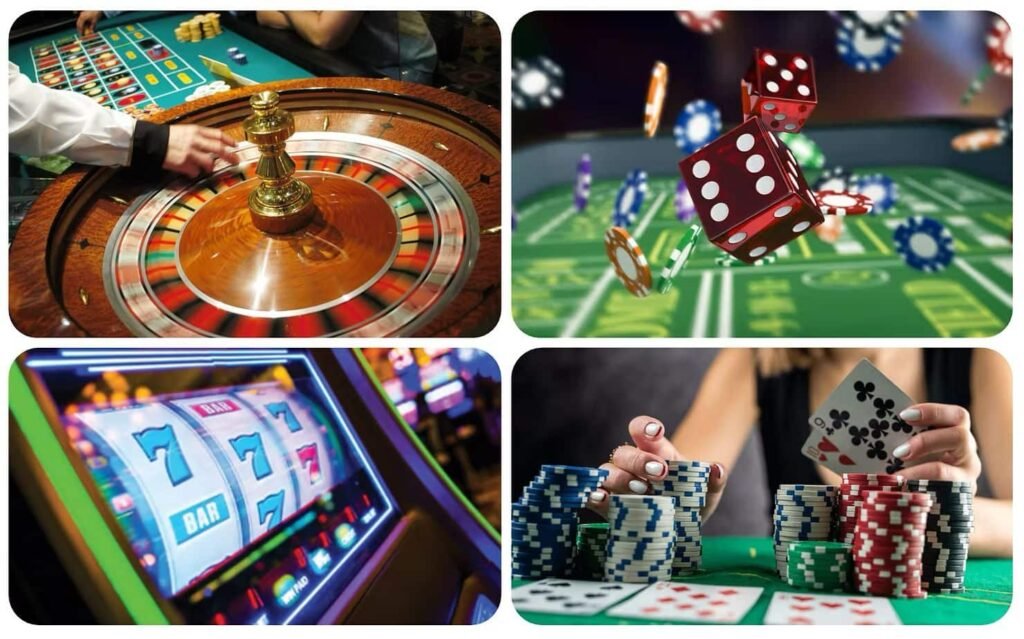
Entertainment venues thrive on excitement. Bright lights, spinning wheels, cards sliding across tables. It all feels fast and unpredictable. But behind all the noise is a carefully thought-out system of math and probability.
If you’ve ever wondered why some players seem to handle games a bit better than others, it’s usually not because they’re luckier. It’s because they understand how casino odds actually work.
Table of Contents
ToggleChance Matters, But It’s Not Alone
Luck definitely plays a huge role in casino games. A perfect blackjack hand or a lucky roulette spin can happen anytime. But that doesn’t mean everything is just random chaos.
Most games are built around fixed probabilities. Those probabilities don’t change based on your actions. They do their job in the background, shaping outcomes whether you notice or not.
If you like to play online casino games, learning how odds work can make the experience feel less frustrating and more controlled, even when things might not be going your way.
The House Edge Isn’t a Secret
The house edge is how casinos stay profitable. It’s the small percentage advantage built into every game. A game with a 95% Return to Player (RTP) means that, over time, players should get back about 95% of what they wager. The remaining 5% is the casino’s edge. That edge is regulated, known, and unavoidable.
That doesn’t mean players can’t win. It just means expectations need to be realistic. Knowing the house edge helps players choose games that will suit them better.
Volatility and Why Results Swing
Volatility explains why casino sessions can feel so unpredictable. You might play a game with solid odds and still lose quickly. Or play a risky one and somehow win big.
High-volatility games tend to pay less often but offer bigger wins. That might sound good, but it can also make sessions longer than planned. Low-volatility games pay more often, but usually in smaller amounts.
Neither of these changes the house edge, though. What changes is the experience. Once you understand this, it’s a lot easier to stop chasing losses.
Why Streaks Don’t Mean Anything
Humans love patterns. Casinos are well aware. But those patterns don’t predict anything. Every spin, every card, every roll is independent. Believing otherwise leads to the gambler’s fallacy.
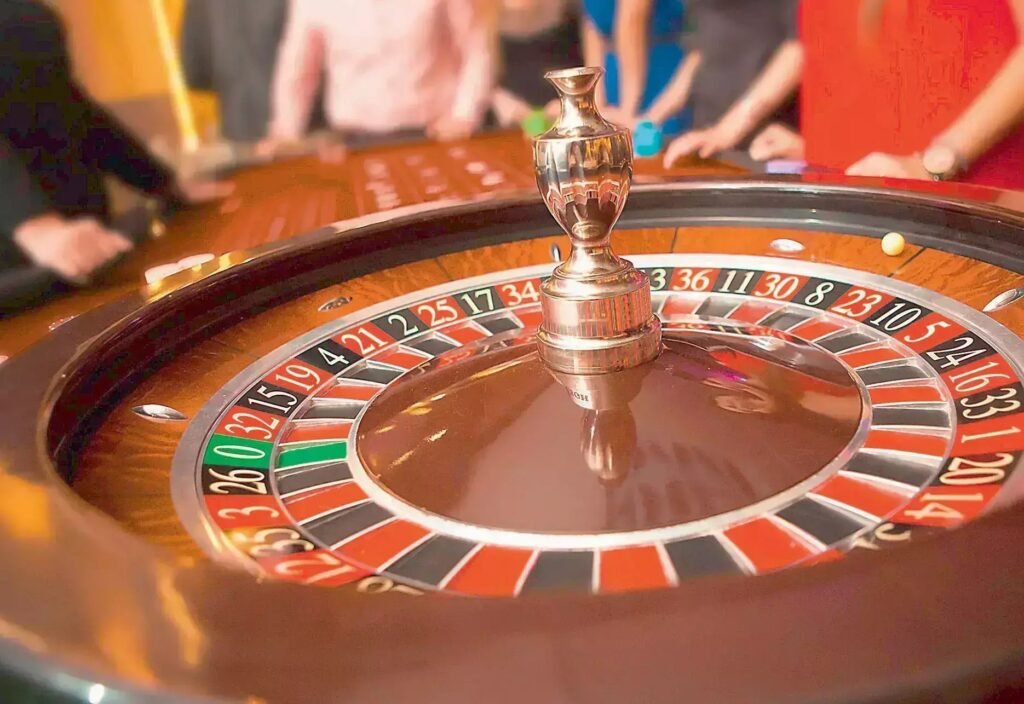
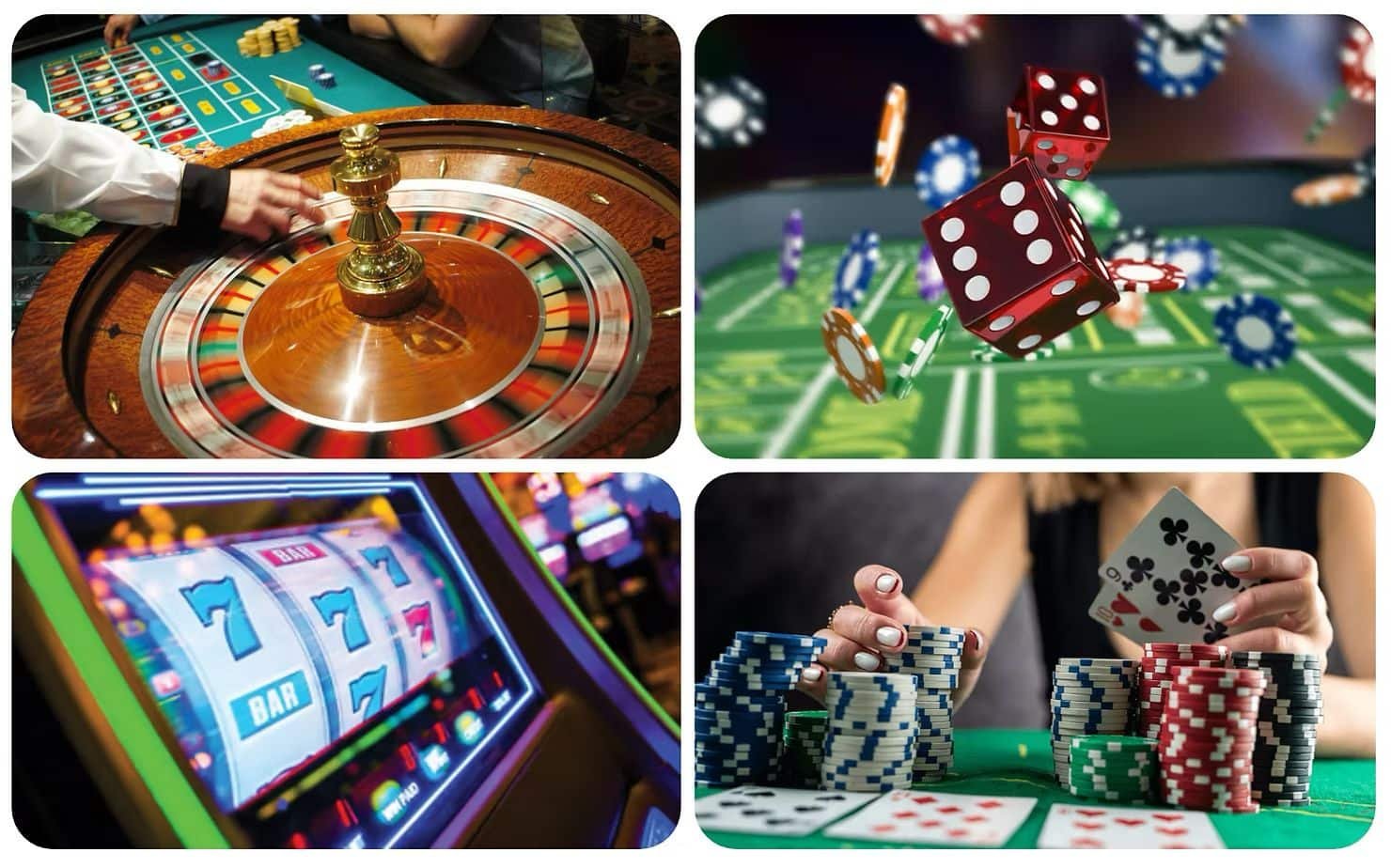
For example, roulette doesn’t adjust based on what came before. The odds reset every time. What actually affects roulette odds is the green zero. That creates the house edge, giving European roulette 2.7%, while the extra zero in American roulette brings it up to 5.26%.
Where Strategy Actually Helps
Not all casino games are the same when it comes to decision-making.
Blackjack is the classic example of strategy actually making a difference. Basic strategy is built on math and probability, and tells players when to hit, stand, split, or double down. It doesn’t guarantee wins, but it can reduce the house edge over time.
Poker’s a bit different. Probability still matters, but psychology plays a major role as well. Reading opponents, spotting bluffs, and knowing when to fold are just as important as pot odds and expected value. Sometimes the best move has nothing to do with the cards at all.
Some Games Are Just Random
Slots operate differently from table games. They run on random number generators, which means outcomes are completely unpredictable, as well as fair.
No strategy changes results once you hit spin. Choice comes down to volatility, RTP, and picking games that match your style.
Final Thoughts
No strategy removes the house edge completely. Casino games are just designed that way.
But understanding odds, probability, and volatility changes how players approach the game. It becomes less about chasing potential wins and more about making smart choices, enjoying the game, and knowing exactly what you’re signing up for every time you place a bet.