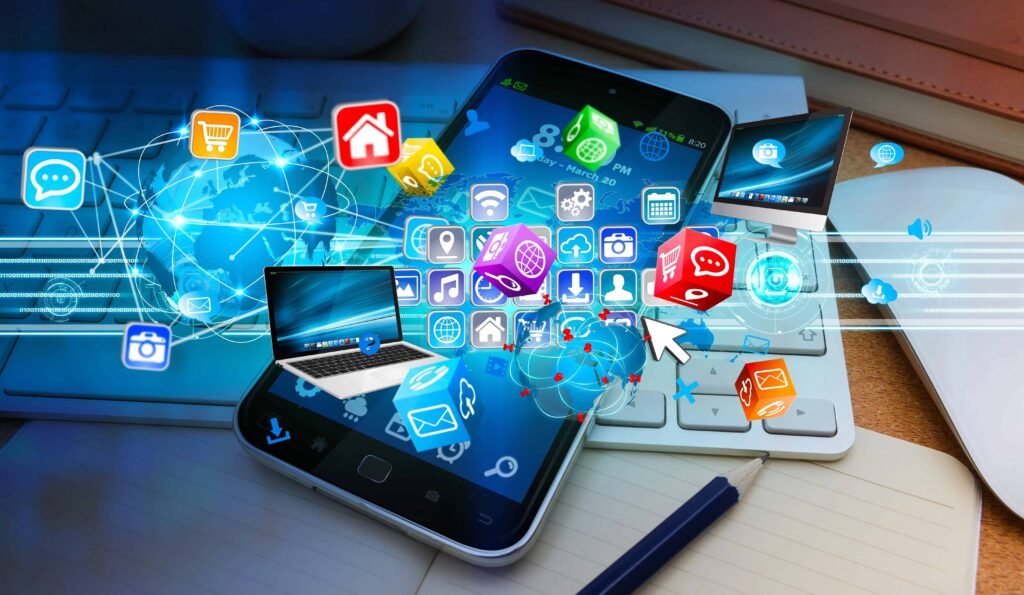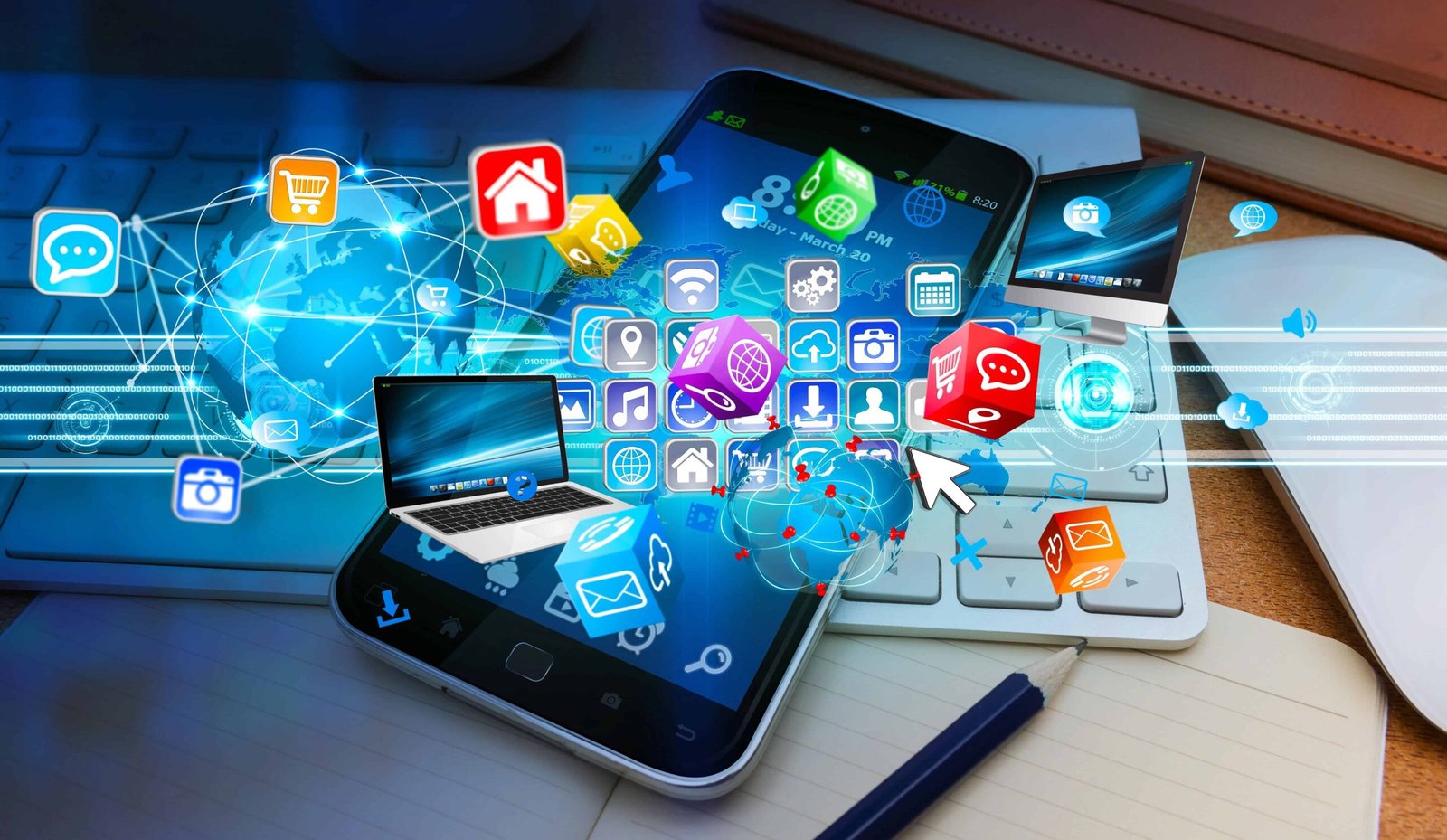
Mobile technology refers to portable communication devices and the systems that support them, including smartphones, tablets, operating systems, applications, and wireless networks. Over the years, mobile technology has evolved from basic calling devices into powerful computing platforms capable of handling complex tasks.
Modern mobile devices combine hardware, software, and connectivity to deliver services such as communication, entertainment, productivity, navigation, and digital payments. Mobile technology plays a central role in personal, professional, and commercial environments.
Table of Contents
ToggleEvolution of Mobile Devices
Early mobile phones were designed primarily for voice communication. As technology advanced, devices began supporting text messaging, basic internet access, and multimedia functions. The introduction of smartphones marked a major shift by integrating touchscreens, app ecosystems, and advanced processors.
Today’s mobile devices feature high-resolution displays, powerful chipsets, advanced cameras, and biometric security. Continuous hardware innovation has turned mobile phones into compact computers capable of replacing multiple traditional devices.
Mobile Operating Systems
Mobile operating systems manage hardware resources and provide platforms for application development. They control device performance, security, user interface, and connectivity. The most widely used mobile operating systems support multitasking, app permissions, and regular updates.
Operating systems also determine compatibility with applications and services. System optimization plays a key role in battery efficiency, performance stability, and user experience.
Mobile Applications and App Ecosystems
Mobile applications extend the functionality of devices by offering tools for communication, productivity, entertainment, education, and commerce. App ecosystems allow developers to distribute software through centralized platforms.
Applications are built using mobile development frameworks and programming languages tailored to performance and usability. App updates and maintenance ensure compatibility with newer devices and operating system versions.
Mobile Connectivity and Networks
Mobile devices rely on wireless networks to provide communication and internet access. Cellular networks enable voice calls, messaging, and data transfer across geographic regions. Advances in network technology have significantly increased speed and reliability.
Wi-Fi connectivity complements cellular networks by offering faster data access in local environments. Seamless switching between networks ensures uninterrupted connectivity.
Mobile Hardware Components
Mobile devices consist of multiple hardware components working together. Processors handle computation and app execution. Memory manages data storage and multitasking. Batteries power the device, while sensors support features such as motion detection, location tracking, and biometric authentication.
Camera systems, speakers, microphones, and display technologies contribute to media and communication capabilities. Hardware integration directly affects performance and user experience.
Mobile Security and Privacy
Security is a critical aspect of mobile technology. Devices store personal data, financial information, and communication records. Security features include device encryption, biometric authentication, app permissions, and secure boot mechanisms.
Privacy management involves controlling data access, permissions, and network activity. Regular updates and responsible app usage help reduce security risks and protect user information.
Mobile Technology in Business and Services
Mobile technology supports business operations through communication tools, mobile banking, digital payments, and remote work applications. Enterprises use mobile solutions for customer engagement, inventory management, and field operations.
Mobile-first platforms enable businesses to reach users directly and provide services efficiently. Scalability and accessibility make mobile solutions essential in modern digital strategies.
Mobile Development and Software Tools
Mobile development involves creating applications optimized for performance, usability, and security. Developers use integrated development environments, testing tools, and design frameworks to build mobile software.
Cross-platform development tools allow applications to run on multiple operating systems with shared codebases. Performance optimization and user interface design are key aspects of mobile development.
Challenges in Mobile Technology
Mobile technology faces challenges such as battery limitations, device fragmentation, security threats, and performance optimization. Supporting multiple device models and operating system versions increases development complexity.
Balancing performance, power consumption, and security requires continuous innovation and optimization from manufacturers and developers.
Future Trends in Mobile Technology
Mobile technology continues to evolve with advancements in processing power, connectivity, and integration with emerging technologies. Areas such as artificial intelligence, augmented reality, and device interoperability are becoming more prominent.
Future mobile devices are expected to focus on efficiency, smarter software integration, and enhanced user interaction while maintaining portability and security.
Conclusion
Mobile technology has transformed how people communicate, work, and access digital services. Modern mobile devices function as powerful computing platforms supported by advanced software and connectivity.
As mobile technology continues to develop, understanding its components, capabilities, and limitations is essential for effective and secure usage in a rapidly changing digital environment.