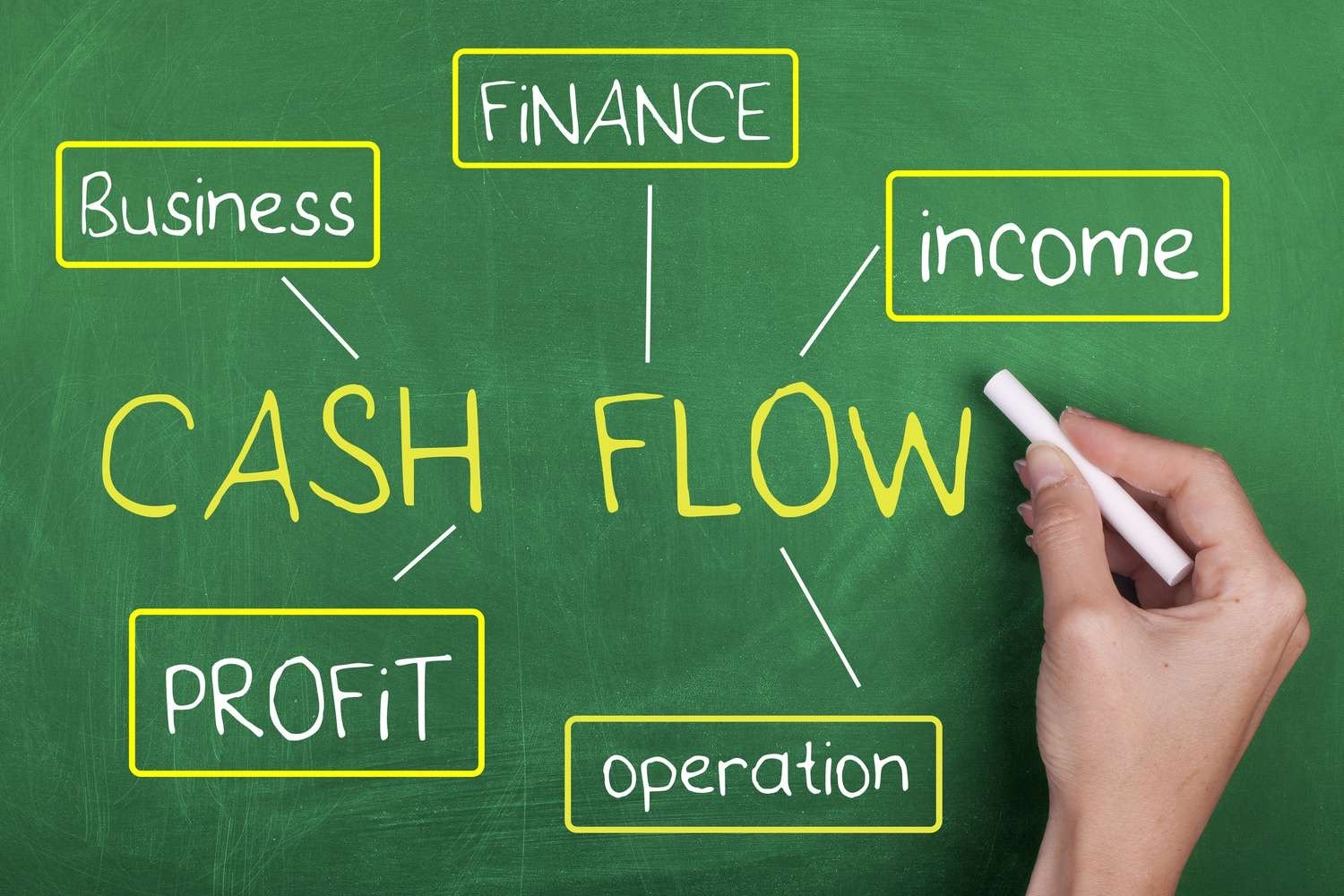
Many people focus only on how much money they earn, but income alone does not guarantee financial stability. Cash flow—how money comes in and goes out regularly—is what truly determines financial health. Even a high income can cause stress if expenses are poorly managed.
Positive cash flow means you have enough money available to meet obligations, save, and plan ahead. When cash flow is negative, people rely on credit or loans, which creates long-term financial pressure.
Table of Contents
ToggleUnderstanding Cash Flow in Daily Life
Cash flow is not only a business concept; it applies to personal finance as well. Salary, freelance income, or side income are inflows, while rent, bills, groceries, and subscriptions are outflows.
When inflows and outflows are not balanced, problems arise. Tracking cash flow monthly helps identify where money is tight and where adjustments are needed. Awareness is the first step toward control.
The Role of Fixed and Variable Expenses
Expenses usually fall into two categories: fixed and variable. Fixed expenses stay mostly the same each month, such as rent or loan payments. Variable expenses change, such as dining, shopping, or entertainment.
Managing variable expenses is the easiest way to improve cash flow. Small changes in daily spending can free up money without affecting quality of life significantly.
Why Timing of Money Matters
The timing of income and expenses is often overlooked. Bills may be due before income arrives, causing short-term stress even if income is sufficient overall.
Planning payments and aligning due dates with income cycles improves financial stability. Timing awareness prevents late fees and unnecessary borrowing.
Building a Cash Buffer for Stability
A cash buffer acts as a short-term safety net. Unlike long-term savings, this buffer helps manage monthly fluctuations and unexpected small expenses.
Having even a modest buffer reduces stress and prevents reliance on credit cards. It allows smoother cash flow management and better decision-making.
Managing Irregular Income Effectively
People with freelance or variable income face unique challenges. Income may change monthly, making planning difficult.
In such cases, budgeting based on minimum expected income helps maintain stability. Extra income can be saved during high-earning months to cover slower periods.
Reducing Financial Pressure Through Simplicity
Complex finances often create confusion. Too many accounts, subscriptions, or obligations make cash flow harder to manage.
Simplifying finances—closing unused accounts, canceling unnecessary subscriptions, and consolidating payments—improves clarity and control.
Using Cash Flow to Support Long-Term Goals
Healthy cash flow makes long-term planning possible. Saving, investing, and debt repayment become easier when monthly finances are balanced.
Instead of reacting to money problems, people can proactively work toward goals like home ownership, education, or retirement.
Avoiding Common Cash Flow Mistakes
Common mistakes include ignoring small expenses, relying too much on credit, and failing to plan for irregular costs. These habits slowly damage cash flow.
Regular reviews help catch problems early. Small corrections prevent larger financial issues later.
Improving Cash Flow Without Increasing Income
Improving cash flow does not always require earning more. Adjusting spending habits, renegotiating bills, and planning expenses can create immediate improvement.
Focusing on efficiency instead of income growth alone builds stronger financial foundations.
Final Thoughts
Cash flow is the foundation of financial stability. It determines how comfortably and confidently money is managed day to day.
By understanding inflows, controlling expenses, and planning ahead, anyone can improve cash flow and reduce financial stress over time.