It is surprising when you realize how many common objects and items align with the ten-foot mark. From sporting equipment and built structures to animals and creatures in the wild, this simple measure of 10 feet in inch or meters is often overlooked.
Yet it has significant impacts on your perception of size, helping you compare, estimate, and gain understanding of your everyday environment. Some are crafted by humans, others shaped by the natural world, but all these elements show a clear role in your lives, making it both captivating and the right way to explore something so big, long, new, and even ubiquitous as described in this article and listed for you to delve into.
How Big is 10 Feet?
Ten feet is equal to 120 inches, making it a clear and easy-to-understand length in everyday measurement. When converted into the metric system, 10 feet equals 3.048 meters, which is the same as 304.8 centimeters or 3048 millimeters.
In other conversions, 10 feet equals 3.33 yards, which helps compare it with yard-based scales. It also equals about 0.0019 miles or 0.003 kilometers, giving a sense of its length on a larger scale. These unit conversions show that 10 feet can be understood in multiple ways depending on which measurement system you prefer.
How Tall is 10 Feet Compared to Average Human Height?
To truly understand how long this measurement is, it’s helpful to compare 10 feet to average human height. The average woman’s height worldwide is approximately 5 feet 3–inches (1.60 meters), which means this distance is nearly twice as tall as a typical woman.
When you visualize this length, imagine almost two women standing on top of each other. For men, the average male height globally is around 5 feet 7–inches (1.70 meters), so this measurement would equal roughly 1.8 times the height of an average man.
How Far is 10 Feet in Steps?
Converting 10 feet into steps depends on your step length, but most adults can cover this distance in approximately 4 to 5 steps. On average, adults have a step length of about 2.2 to 2.5 feet, meaning four normal steps will get you close to 10 feet.
Some people with exceptionally long strides might cover nearly 3 feet in a single large step, but this is uncommon for regular walking. Those who are below adult height may require 5 to 6 steps to cover the same distance. To find your personal step count, try pacing out 10 feet in your home – this walking measurement becomes a useful reference point for estimating distances without a measuring tape.
Everyday Objects That Measure 10 Feet
- Basketball Hoops
- Single Floor Height
- Half of a Giraffe
- Two Park Benches
- U-Haul Trucks
- 15 Standard Brick
- A Christmas Tree
- Alligator
- 15x Volleyballs
- Kayaks
- Ping Pong Table
1. Basketball Hoops

When you think about basketball, the hoop height of ten feet (3.048 meters) represents a standard that has remained unchanged since the beginning of the sport. This regulation creates the perfect challenge for players who strive to score by launching the ball toward the rim set above the ground.
The rim has a diameter of 18 inches (45.72 cm) in NBA and WNBA leagues, while the backboard stands 3.5 feet tall by 6 feet wide, making it taller than the actual rim. You can estimate this length when you see how it pushes athletes to jump higher and reach new physical boundaries.
From school playgrounds to professional competitive conditions, this height ensures fairness and serves as a testament to athletic skill and determination. Whether you saw it in childhood or played under its shadow, this goal continues to test capabilities and drive resilience in every player.
2. Single Floor Height
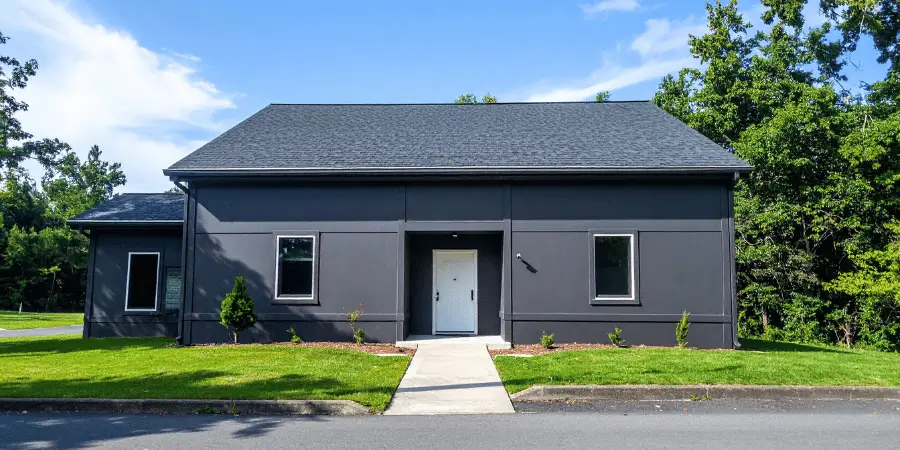
Have you ever wondered what this specific measurement actually looks like in your daily life? The height of a standard floor in your home or office building provides the perfect reference point. When construction crews design buildings, they typically create this vertical distance from your floor to the ceiling at about 10 feet.
In engineering terms, professionals measure from the top of one floor finish to the next level above, but you don’t need to complicate things that much. Standing in any room right now, you can look up and visualize this distance, whether your space has false ceilings, hanging decorations, or exposed beams.
This makes floor height one of the most accessible ways to understand what this measurement represents in the real world.
3. Half of a Giraffe

When you think about giraffes, these majestic creatures that roam the Earth, it becomes a fascinating exercise in understanding scale. Picture standing in close quarters with an adult giraffe in its natural environment and observing how these tallest mammals can effortlessly reach high into trees to feed on leaves.
The substantial height of 16 to 20 feet demonstrates just how towering these animals truly are, making the concept of measuring half their height quite significant. Through personal experiences watching these gentle giants in their survival mode, you begin to grasp the true nature of their existence.
When you capture that mental image of what representing just half of a giraffe means, you get a real sense of how remarkable these mammals are in the wild.
4. Two Park Benches

Picture yourself strolling through your local parks where standard benches are placed comfortably along winding paths. These typical seating areas measure about 5 feet each, but when you visualize two benches positioned end to end, they create a distance of roughly 10 feet.
You’ll notice how these outdoor fixtures blend beautifully into their surroundings, whether they’re lining sidewalks or dotted throughout expansive gardens. The scenic views from these spaces provide the perfect setting where individuals can rest and socialize while enjoying nature’s beauty.
These benches serve as an excellent visual guide for understanding the length of 10 feet, offering you a practical reference point that’s both functional and aesthetically pleasing in any outdoor environment.
5. U-Haul Trucks
When you’re stuck in traffic on busy roads, you’ve probably seen those U-haul trucks making small moves between neighborhoods. The 10-foot truck is the smallest size available from U-Haul, perfect for transferring your possessions from one home to another.
These smaller-sized U-hauls are commonly used for transporting items you’ve ordered online or for delivery of non food items. Next time you spot one of these trucks, you can use it as a practical example for making an estimation of what exactly measures 10 feet in length.
6. 15 Standard Brick

When you’re walking through construction sites across the USA, you’ll notice American bricks are a common sight at almost every building project. As someone who’s spent years helping homeowners and DIY enthusiasts with measuring projects, I can tell you that standard bricks offer one of the most reliable ways to visualize a 10-foot span.
Each typical brick measures exactly 8–inches along its longest dimension, which makes the calculation surprisingly simple. If you line up 15 of these bricks end-to-end in a perfectly straight line, ensuring they’re touching without any mortar between them, voila you’ve created approximately 10 feet of length.
This method has become invaluable for contractors working on various structures, as it provides an instant reference point that’s both practical and accurate.
7. A Christmas Tree
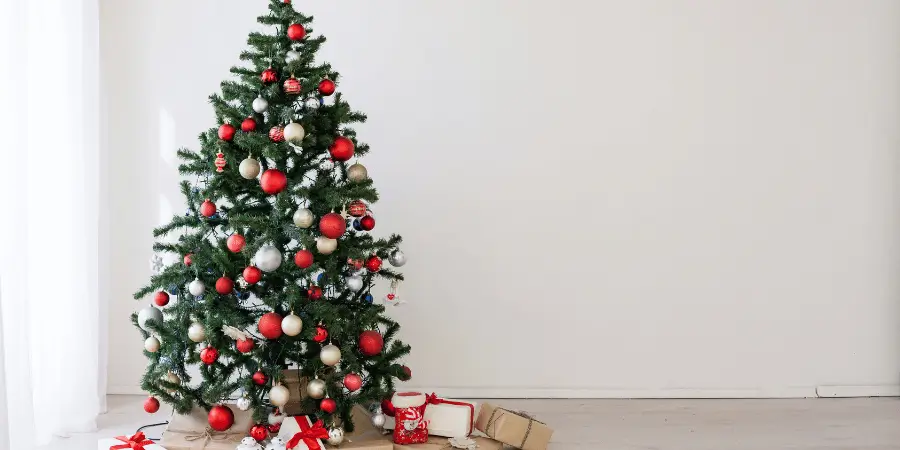
When you visit stores during the holiday season, you’ll find towering Christmas trees that serve as stunning centerpieces for homes with vaulted ceilings. These majestic evergreens with lush branches adorned with sparkling lights and ornaments create a festive atmosphere full of warmth and cheer.
A Ten-foot-tall tree offers the perfect height for impressive displays, whether you choose natural pine that takes years to grow or artificial options for convenience. The artificial choice typically weighs more pounds due to its sturdy base diameter, while real trees provide an authentic experience.
Both popular options transform indoor and outdoor spaces into holiday showcases, making these tall symbols essential decoration pieces available in most households during this common celebration time.
8. Alligator

When you are trying to picture 10 feet, an American alligator is a great natural example. Male alligators often grow to lengths between 10 and 15 feet, which makes them an excellent way to picture this distance. In regions such as Florida, where these reptiles are frequently seen, the females tend to be smaller, averaging around 9 feet in length. Their overall size can vary depending on whether they are male or female and the conditions of their habitat.
What makes this comparison thrilling is that male specimens are larger than females on average. National Geographic documents how these prehistoric animals adapt to various environments. When you’re trying to guess dimensions, alligators become a reference for understanding scale in nature.
9. 15x VolleyBalls

Lining up 15 volleyballs creates approximately 10 feet of length, making this a practical visual reference for measuring distances. Standard volleyballs have a diameter of 8.15″-8.39″ inches, so when placed end-to-end, they provide an excellent benchmark for understanding 10-foot measurements.
This sporting equipment comparison works well because volleyballs are commonly found in gyms and schools, helping people easily visualize lengths like basketball hoop heights or ceiling clearances. The consistent size of regulation volleyballs makes them a reliable tool for quick distance estimation in everyday situations.
10. Kayaks

When you visit docks, you’ll see different recreational kayaks placed in every corner or mounted on yachts roofs. These popular canoe-like vehicles are created for kayaking and rafting on calm lakes and rivers.
The most common recreational boats measure exactly ten feet long, making them perfect examples of things with this specific length. Depending on brands and the number of seats, you can draw an estimation from these standard-sized watercraft.
While heavier models used in competitive races or group adventures between teams can range from 12 to 24 feet, and you might have seen movies where paddlers compete, the 10-foot kayak remains ideal for relaxation and casual paddling experiences that other water enthusiasts ever enjoy on different sizes of water bodies.
11. Ping Pong Table

When you think of items approaching 10 feet long, a ping pong table serves as an excellent reference point. These standard table tennis surfaces measure exactly 9 feet in length – just under the 10-foot mark by a small margin. The ITTF sets these precise dimensions at 5 feet wide and 2.5 feet high, with the net stretching 6–inches in height and extending 6–inches beyond each side of the table.
Whether you’re enjoying competitive games or using it as a practical measuring tool for projects around your home, this size makes it incredibly useful for gauging distances and laying out materials for arts, crafts, or other tasks that require accurate measurements.
Conclusion
Looking at the world around us, 10-foot measurements appear everywhere in our daily lives. From the familiar basketball hoops we see at local courts to the cozy Christmas trees that brighten our homes during holidays, this length connects many objects we encounter regularly.
Whether you’re moving with a U-Haul truck, relaxing on park benches, or enjoying water sports with kayaks, understanding 10-foot dimensions helps us visualize space better. Even nature surprises us with 10-foot alligators roaming in the wild.
These everyday examples remind us that the idea of 10 feet influences far more of our surroundings than we usually realize. Next time you see a ping pong table or stack volleyballs, you’ll have a clearer picture of what 10 feet actually looks like in real life.