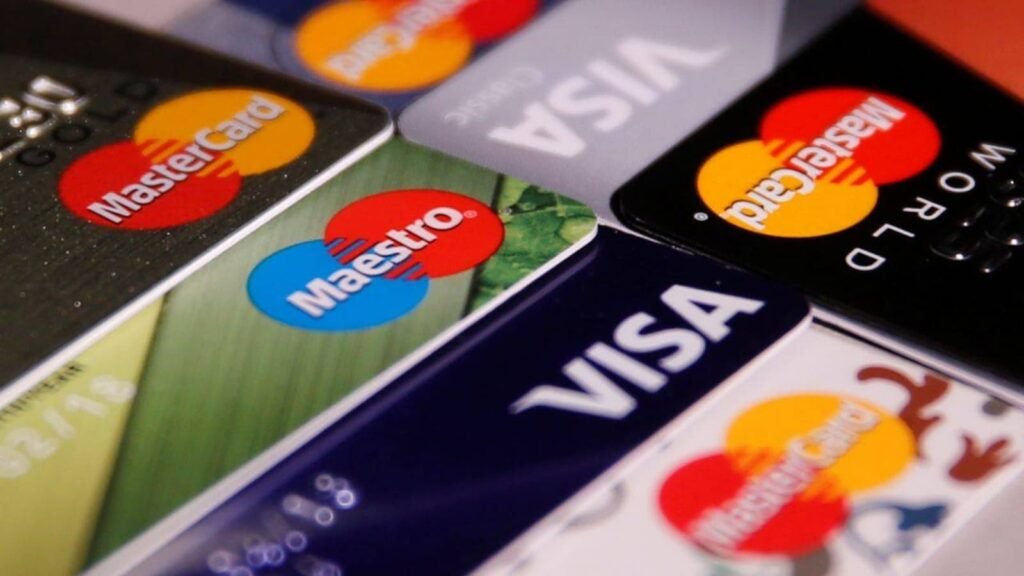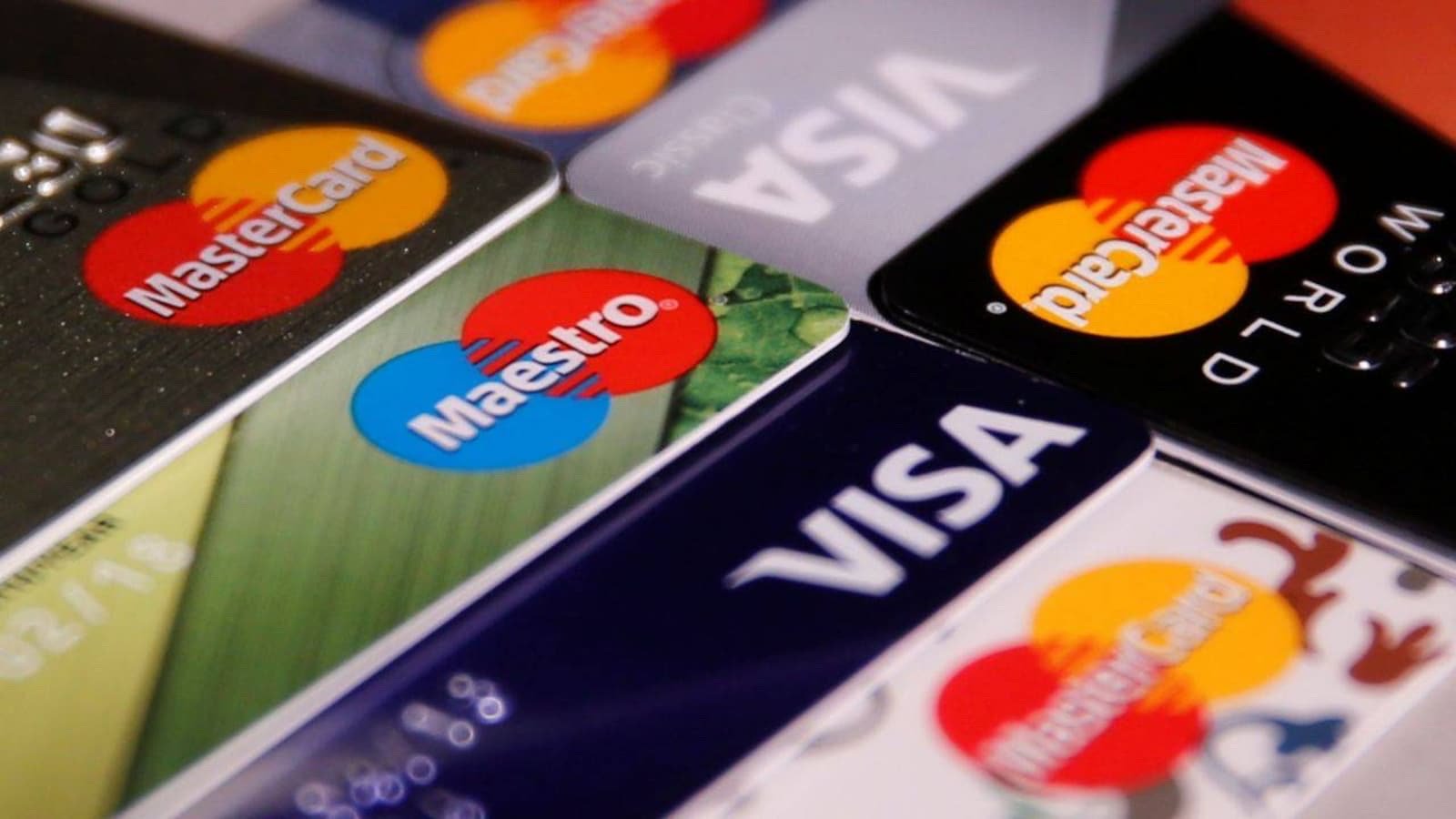
Pull a debit card out of your wallet right now and look at it. Chances are it’s the exact same size as the one you carried a decade ago, maybe longer. While grocery prices climb, phone screens balloon, and streaming subscriptions multiply, this one small rectangle has refused to change even a millimeter.
That stubbornness isn’t an accident. It’s the result of a global engineering standard that quietly governs almost every card-shaped object you’ve ever handled, from a bank card to a health insurance card. Understanding that number helps explain why your wallet still fits the same way it always has, even as everything else around it seems to grow.
Table of Contents
ToggleThe Exact Millimeter Size Explained Simply
The magic number is 85.60 by 53.98 millimeters. That’s the official footprint defined under the ID-1 standard, the same specification used for identification cards worldwide. Add a thickness of 0.76 millimeters and rounded corners with a radius between 2.88 and 3.48 millimeters, and you’ve got the precise geometry of nearly every card in your pocket.
This isn’t a suggestion banks loosely follow. It’s a strict manufacturing requirement so that card readers, ATMs, and point-of-sale terminals built anywhere in the world can accept a card produced anywhere else. A slot machine reader in one country and a chip reader in another are built around the identical rectangle, which is why a card issued abroad still slides into a domestic reader without a hitch.
Why This Standard Size Matters Online
The card’s dimensions didn’t stay relevant by accident. As Canadian spending habits shifted hard toward digital and contactless methods, the visual shorthand of a card-shaped rectangle became the default language of checkout design. Even when you’re tapping a phone instead of handing over plastic, the interface behind it still borrows that same silhouette.
Digital transactions have made that fixed shape relevant well beyond the physical wallet. Mobile banking apps display card thumbnails in the exact ID-1 proportions. E-commerce checkout screens render virtual card fields at the same aspect ratio. Interac-enabled casinos follow the same design convention — interac casino sites with instant deposits and no currency conversion step show how deeply the card-shaped interface has embedded itself into online payment flows, even when no plastic changes hands.
This matters because so much of everyday spending now flows through card-based rails. Recent figures show that credit and debit cards accounted for 63% of total payment volume across Canada last year, far outpacing cash. That dominance keeps the ID-1 shape culturally embedded, even as the method of tapping or scanning keeps evolving around it.
Everyday Objects That Match This Width
Once you know the dimensions, you start noticing the shape everywhere. A card covers roughly 46 square centimeters, with an aspect ratio close to 1.59 to 1, sitting comfortably between a tall phone screen and an old-fashioned photo print. Stack four and a half cards vertically and you’ve roughly matched the height of a standard A4 sheet of paper.
The proportions matter because manufacturers must hit precise tolerances every time; as detailed in the ISO/IEC 7810 identification cards standard, even the corner radius is specified down to fractions of a millimeter.
Measurement Conclusion: One Size Fits Every Wallet
Everything else in daily life seems to inflate over time, from portion sizes to phone dimensions to subscription costs. The card sitting in your wallet is the rare exception, locked to a millimeter-precise standard that hasn’t budged in decades. That stability is exactly why wallets, card sleeves, and payment terminals still work the same way they did years ago.
The shift now happening isn’t in the card’s size but in how rarely you need to touch it. Mobile contactless payments through Interac alone jumped 53% in a single year, showing that the rectangle’s physical presence matters less each year, even as its dimensions remain the quiet constant behind every transaction.